Close a door in a quiet house and you can feel the difference straight away. One shuts with a calm, solid thud. Another sounds light and hollow. That everyday moment is exactly where the solid core vs hollow core doors decision begins for most homeowners.
You do not need to choose one core for every room. You need the right core where sound, privacy, heat and daily wear matter most. This room by room guide walks you through each space, so you can spend wisely and live more comfortably.
Solid Core vs Hollow Core Doors: What Actually Changes Inside the Slab
From the outside, two doors can look identical in the same finish and panel style. Inside, their construction is completely different. The core is the hidden filling between the outer faces, and it controls weight, sound travel, stiffness and how the door feels.
Inside a solid core door
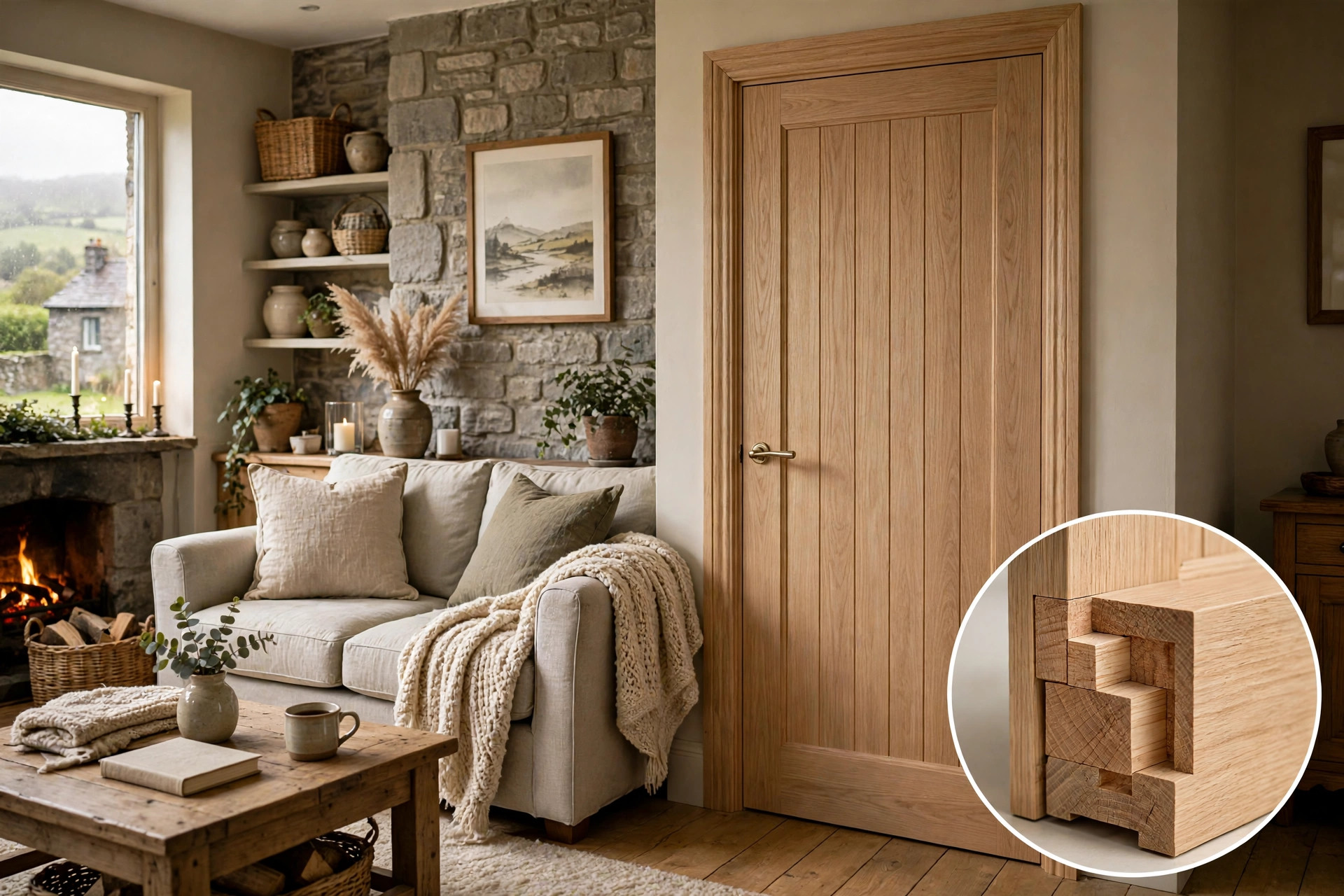
A solid core door has a dense filling that runs through most of the slab. That filling is typically made from engineered timber, particleboard or a similar compact material. You feel the result as extra weight, a firmer close and less flex.
Professionals often describe solid core as the reassuring option in busy homes. It tends to resist everyday knocks better and it usually softens sound moving between rooms. It is not a specialist acoustic door, but the improvement over a light door is noticeable.
Inside a hollow core door
A hollow core door has strong outer faces and a light internal structure, often a honeycomb style support. Most of the inside is air. That keeps the door light, easy to move and simple to hang, which explains why builders have used them widely.
You will notice a hollow core door most when you knock on it or close it quickly. It can sound brighter and feel less substantial. In a low traffic spare room that may not matter, but in a main bedroom it often does.
The middle ground many homes actually need
Between the two extremes you will also hear about semi solid and tubular core options. These add more internal material than a hollow door without matching full solid weight. For many Irish homes, that middle ground gives a balanced feel at a sensible level.
Ask your supplier to explain the exact core construction rather than relying on a label alone. Names can vary between ranges, so the material and density matter more than marketing words. With that clear picture in mind, start where every visitor starts, in the hallway.
The Hallway Test: Weight, Sound and First Impressions
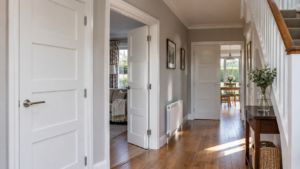
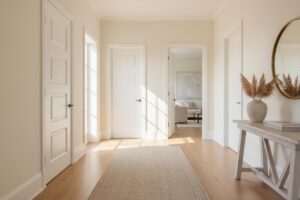
Your hallway connects every room, so doors off it shape how your whole home feels. A light door that rattles or sounds thin can make even a well finished hall feel less settled. A heavier door tends to close the space calmly.
Try this simple test when you view doors in person. Knock gently in the centre, lift slightly by the handle side, then close it slowly. You are listening for dullness, feeling for stiffness and checking whether the close sounds controlled rather than tinny.
You should also think about traffic in the hall. Hall doors open and close all day as people move between kitchen, living room and stairs. That repeated use rewards a door that feels stable on its hinges and does not flex under pressure.
For rental or starter homes, hollow core hall doors can still work well. They keep the project moving and suit rooms beyond them that see lighter use. The key is choosing knowingly, not discovering the hollow sound after every door is already fitted.
When you browse our full range of internal doors in Ireland, compare the same style in different constructions where available. Seeing the finish is only half the job. Handling the weight completes it, and that leads naturally into the living room next.
Living Room and Open Plan Spaces: Comfort You Notice Every Evening
Your living room door has two jobs. It should soften sound from the hall when you are watching television, and it should help hold heat in the room on cold evenings. A solid core usually supports both jobs better than a hollow alternative.
Sound between hall and living room
Sound passes through a light door more easily because there is less mass to slow it. A denser core adds mass, and mass is a basic principle in reducing sound transfer. Official guidance on sound in buildings is published through Ireland’s Building Regulations guidance on sound and construction standards.
That does not turn a normal living room door into a studio door. Gaps around the frame still let sound travel, and your fitter should check those gaps carefully. A solid door with poor fitting will disappoint you, while careful fitting improves any core choice.
Heat, draughts and glazed options
Heat comfort works in a similar way. A denser door feels less draughty in use, especially when it closes neatly into the frame. The Sustainable Energy Authority of Ireland highlighted home energy guidance covering insulation and heat loss for homeowners improving comfort room by room.
If you love light in an open plan layout, a glazed solid feel door can balance brightness and substance. Keep the glazing proportion in mind. More glass means more light, but the surrounding construction and seals still decide how calm and warm the close feels.
Think about how you actually use the room in winter. If the living room door stays closed most evenings, prioritise it for an upgrade. If it stays open all day, your money may work harder elsewhere, starting with the bedrooms we cover next.
Bedrooms: Privacy, Sleep and the Early Morning Start
Bedrooms are where core choice matters most to most families. You want conversations softened, bathroom trips quieter and doors that do not wake the house when someone leaves early. Solid core doors usually give you the clearest benefit in these rooms.
Picture a parent getting up before dawn in a semi detached home. A light door clicks, echoes and carries sound down the landing. A heavier door closes with less fuss. That small difference repeats every morning, so it shapes how rested everyone feels.
Main bedroom and ensuite doors
Give your main bedroom the strongest consideration. It is your recovery space, and privacy there matters more than in a spare room. Pairing a solid core with a finish you love, such as options in our white oak pre finished internal doors range, balances rest and style.
Ensuite doors deserve the same thinking because hard bathroom surfaces amplify sound. A denser door softens that spill into the bedroom. You should also check ventilation needs, because bathrooms need airflow managed properly rather than simply sealing every gap without thought or advice.
Children’s rooms and spare bedrooms
For children’s bedrooms, durability joins privacy at the top of your list. Doors there get pushed, leaned on and closed in a hurry. A sturdier core copes better with that rhythm and tends to feel safer and calmer for younger children settling at night.
Spare bedrooms are the natural place to save with hollow core. If the room is used a few weekends a year, a lighter door is a rational choice. You can redirect the difference towards the main bedroom, which brings us to bathrooms and utility spaces next.
Bathroom, Ensuite and Utility Rooms: Moisture and Daily Noise
Bathrooms test doors differently. Steam, splashes and frequent cleaning affect finishes and edges over time, while extract fans and washing machines add noise. Your core choice should sit alongside finish choice and ventilation, not replace proper care in a damp room.
A solid core door can feel more stable in a busy family bathroom. It is less likely to sound tinny when the fan is running beyond it. Still, you must protect edges and wipe moisture promptly, because no internal door is designed for constant soaking.
You should ask how the door is finished on the top and bottom edges before fitting. Those hidden edges are often the most vulnerable in humid rooms. Your fitter can confirm what is sealed and what needs attention, which helps the door last longer.
Utility rooms and the sound of appliances
Utility rooms are a strong case for a denser core in many homes. Washing machines and tumble dryers run for long stretches, often close to kitchens and living areas. A heavier door helps soften that background hum when you close it over.
Professionals fitting doors near appliances also check clearance carefully. A door that swells slightly or sits too tight will rub, whatever its core. Accurate measuring before ordering protects you here, and it is a theme that returns throughout this guide and your project.
If you prefer a bright, easy clean look in these rooms, explore our white primed internal doors collection and discuss finish care with your supplier. Colour is only part of the decision, and the busy work rooms lead us into home working next.
Home Working, Studies and Teen Rooms: Focus Behind a Closed Door
Working from home changed what Irish households ask from internal doors. A door that once only separated rooms now separates meetings, classes and deadlines. In that setting, a hollow sound during a video call quickly becomes more than a minor irritation.
You will get the best result by treating your study door like bedroom doors. Choose density for focus, check the fit for gaps and think about the latch sound. A soft, controlled close helps you work without broadcasting every movement to the house.
Teen bedrooms and shared houses
Teen rooms carry music, gaming and phone calls late into the evening. A solid core will not create silence, but it can take the edge off everyday noise. That makes evenings easier for everyone sharing a landing, especially in compact homes and terraces.
Shared houses follow the same logic. When several adults keep different schedules, door density supports basic courtesy. Landlords and homeowners who upgrade only the bedroom and study doors often report the home simply feels calmer, even before any other work is done.
Standards and certification also matter when you buy building products in Ireland. The National Standards Authority of Ireland published certification information for products and management systems that helps you ask suppliers informed questions about testing, labelling and traceability for doors.
Focus rooms show why a whole house, one core answer rarely fits. Your kitchen and family rooms bring a different mix of heat, cooking smells and constant traffic, so we will weigh those pressures in the next section before you decide.
Kitchen and Family Rooms: Heat, Smells and Constant Traffic
Kitchen doors rarely rest. They open for cooking, bins, dogs, homework and a steady flow between rooms. In that setting, hinge strength, edge durability and a reliable close matter as much as sound, and a solid core often suits the workload.
A denser door can also help contain cooking smells and warmth within zones. It will not replace extraction or heating controls, but a well fitted door supports them. Citizens Information explained building regulations in Ireland for homeowners in plain language for anyone planning wider home improvements.
Choosing a finish that suits a heavier door
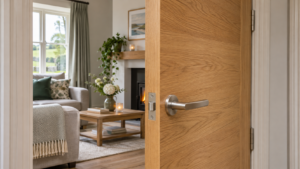
Pair your core choice with a finish that matches family life. Warm timber tones hide daily marks gracefully and suit traditional kitchens. You can see that character in our oak pre finished internal doors range when you compare styles for busy rooms.
Contemporary family rooms often suit cleaner grey or white finishes instead. A heavier slab in a modern finish still feels modern, just more substantial. The core is hidden, so you never have to trade the look you want for the feel you prefer.
When hollow core still makes sense here
Some kitchen layouts keep the door open permanently or remove it for open plan living. In that case, paying for density you rarely use makes little sense. A hollow door on a little used pantry or cloakroom can be the smarter spend.
Use traffic as your guide. Count how many times the door closes on a normal day. High counts push you towards solid, low counts keep hollow in play, and that practical counting prepares you for fitting and hardware next.
Fitting, Hinges and Frames: Why Heavier Doors Need Better Planning
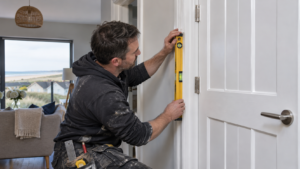
Weight changes the fitting conversation. A solid core door puts more load on hinges, screws and the frame, so your fitter should confirm the frame is sound and the hinge count is suitable. Good planning prevents sagging, rubbing and latch problems later.
You should never assume an old frame is fine because the old door hung well. A lighter hollow door may have hidden a weak fixing for years. A heavier replacement can reveal it quickly, which is why measuring and inspection should happen before you order.
Our guide to professional internal door installation in Ireland walks through the fitting sequence in detail. Reading it before your measure visit helps you ask about hinges, clearances and trimming limits, so there are no surprises on fitting day for anyone.
Trimming limits and door sizes
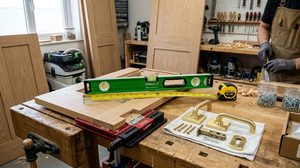
Every door has a limit to how much can be trimmed from its edges. Hollow core doors often have narrower solid edges, so heavy trimming can weaken them. Solid core doors can offer more flexibility, but limits still apply and must be respected.
You protect yourself by measuring each opening individually, even when doors look the same. Irish homes, especially older ones, often have openings that vary by several millimetres. One wrong assumption can turn a straightforward fitting job into a compromise you notice daily.
Fire door questions you should ask separately
Core type and fire rating are not the same thing. A solid core door is not automatically a certified fire door. If a door protects a garage, hallway escape route or a specific regulated location, you need a properly certified product and fitting.
Ask for the certificate and the exact rating where fire performance is required. Your supplier and fitter should be clear about this distinction rather than implying it from weight. That honesty matters, and it leads directly to how our own team works next.
How East Coast Doors Helps You Choose Room by Room
At East Coast Doors Ireland, we start with a conversation about how you live, not a push towards the heaviest door. We ask which rooms need quiet, which doors close most often and where a lighter option would serve you perfectly well.
Our process begins with a free home measuring visit, then supply, then fitting by our own team. That sequence means the core, size and finish are agreed with the actual openings in front of us, not guessed from a single hallway measurement.
Homeowners comparing options for internal doors supplied and fitted in Dublin often choose solid core for bedrooms and living rooms, then hollow or semi solid for spare rooms. That mixed plan is common, practical and usually the best use of a budget.
We supply popular finishes across different constructions, including the contemporary look of our slate grey pre finished internal doors for modern family rooms. Style and core are separate decisions, so you can keep a consistent look while varying the feel room by room.
Fitting quality is handled by the same business that supplied your doors. You can read more about our door fitters serving Dublin homes and how the team works across Leinster. With that support in place, you are ready to build your own simple plan next.
A Simple Room by Room Plan You Can Copy Tonight
Take a notebook and walk your home from the front door. For each room, score sound, privacy, traffic and heat from one to five. Any room scoring high on two or more deserves serious consideration for solid core in your plan.
Bedrooms, living rooms, studies and utility rooms usually top that list. Spare rooms, cloakrooms and little used storage doors usually sit at the bottom. Hall doors fall in the middle, decided by traffic and how much sound carries from the street.
Next, match each room to a finish so the house still feels joined up. Consistent colour across different cores keeps the design calm. Guidance in our complete guide to internal doors in Ireland helps you align panel style, handles and finishes across a full house project.
Then think about who fits the doors and when. Heavier doors reward experienced fitting, tidy hinge work and careful adjustment after hanging. If you are replacing several doors, a single supply and fit plan keeps sizes, finishes and fitting standards consistent throughout.
Homeowners in Meath often start this planning during a local measure visit. Our work supplying internal doors for homes in Navan follows the same room by room logic. The same applies further north, where the next short section closes the planning loop.
For homes near the coast and along the M1 corridor, demand follows the same pattern of bedrooms first. Our team also covers internal doors supplied and fitted in Drogheda with free measuring before ordering. That local step brings us to the questions homeowners ask us most.
Questions to Ask Before You Order Any Door
Before you commit, ask what the core is made from, how much the door weighs and how much can be trimmed. Those three answers tell you more than a brochure headline. Write them down for each style you are seriously considering.
You should also ask about hinge recommendations for heavier doors. Three quality hinges are commonly used where weight demands it, but your fitter should confirm based on the specific door and frame. Guessing hardware is how good doors develop avoidable problems.
Check the guarantee and care advice for the finish as well as the core. Pre finished doors arrive ready to enjoy, while primed doors give you colour choice later. Our notes on buying internal doors in Ireland explained clearly cover supply only versus supply and fit decisions.
Think about value over the full life of the door, not only the day you buy it. A door used dozens of times daily that feels right, closes quietly and needs less adjustment will repay careful choosing far longer than a small saving lasts.
Also consider handles and latches alongside the core itself. Heavier doors feel best with handles that sit comfortably in the hand and latches that close without force. Try the combination together where possible, because hardware can change your impression of the whole door.
Finally, ask who measures and who is responsible if a size is wrong. With a supply and fit service, that accountability sits in one place. That clarity is worth a great deal, and it sets up the conclusion and your next step.
Conclusion
The smartest homes rarely use one core everywhere. They place density where sleep, focus and family life need it, and they use lighter doors where traffic is low. Revisiting solid core vs hollow core doors room by room gives you that balanced result.
You now know how to test feel, score each room and question trimming, hinges and fire claims properly. Take your time, walk the house and decide with your daily routine in mind. Start with the room that wakes or disturbs you most, and build a calmer home one well chosen door at a time.
Frequently Asked Questions
Are solid core doors worth it for bedrooms?
For most main bedrooms, yes. A denser door softens everyday sound, feels more private and closes more calmly than a light door. If sleep and early starts matter in your home, bedrooms are usually the first place the upgrade earns its place.
Can I mix solid and hollow core doors in one house?
Yes, and many homeowners do exactly that. Use solid core for bedrooms, living rooms and studies, then hollow core for spare rooms or cloakrooms. Keep the same finish and panel style across both, so the house still looks consistent from room to room.
Is a solid core door the same as a fire door?
No. A solid core door is not automatically a certified fire door. Fire doors are tested and certified as a complete product for a specific rating. If you need fire performance, ask for the certificate and confirm the rating before you order.
Do solid core doors need stronger hinges?
They often need more hinge support because they weigh more than hollow core doors. Your fitter should check the frame condition and confirm the hinge number and screw fixings for the specific door. Proper support prevents sagging and keeps the latch working smoothly.
Can a hollow core door be trimmed to fit?
Only within the limits set by its edge construction, which can be narrow. Trimming beyond that limit can weaken the door and expose the hollow interior. Accurate measuring before ordering is the safest approach, especially in older homes with uneven openings and frames.
Book Your Free Door Measuring Visit
Still deciding which rooms deserve solid core in your home? Book our free door measuring service for your home and we will measure every opening, talk through sound and traffic room by room, and recommend a balanced plan with no pressure to upgrade every door.
Call East Coast Doors Ireland on 083 814 7923 today, or use our contact page to arrange your visit at a time that suits you. We are based in Julianstown, Co. Meath, and we supply and fit across Dublin, Meath, Louth and wider Leinster.