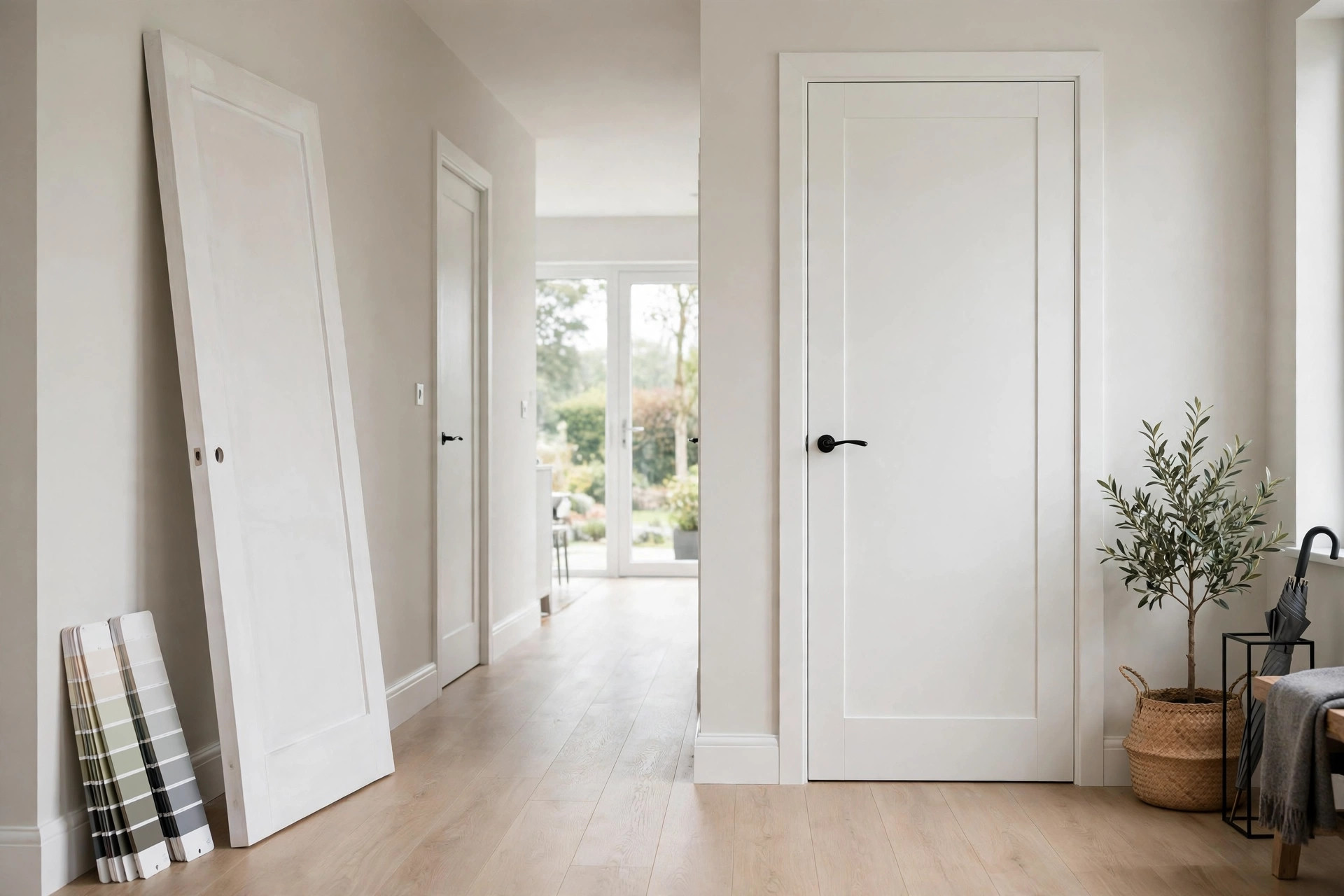
Choosing new doors sounds simple until you face one decision that changes the price, the timetable and the final look. That decision is primed vs pre finished internal doors, and it catches many homeowners out.
A primed door arrives ready for your topcoat. A pre finished door arrives fully finished and ready to hang. Neither is automatically better for every home.
This guide walks you through finish, time, care and value in plain language. By the end, you will know which option suits your rooms, your routine and your plans.
What Primed and Pre Finished Really Mean
Words on a brochure can hide important detail. Primed does not mean painted, and pre finished does not mean indestructible. Understanding that gap saves you money and disappointment later.
What you get with a primed door
A primed door has a factory applied base coat that seals the surface. That coat prepares the door for painting, but it is not the finished surface you will live with.
Primed doors reward patience and a good brush. In return, they give you complete control over shade, which matters when you are matching skirting, architrave or an existing hallway scheme.
What you get with a pre finished door
A pre finished door leaves the factory with its final surface already applied. The colour, sheen and texture are complete before the door reaches your home, so fitting is the last step.
That factory finish is applied in controlled conditions. Professionals note that controlled spraying and curing usually produce a smoother, more even surface than most site painting can achieve in a lived in home.
Your choice is made at ordering, not on fitting day. Once you understand both starting points, the real comparison between the two finishes becomes much clearer.
Primed vs Pre Finished Internal Doors: The Head to Head at a Glance
Start with the big picture before you fall for a photograph. The table talk in showrooms often focuses on colour, yet daily life tests doors on time, marks, repairs and flexibility.
The five differences that matter most
- Finish control: primed lets you pick any paint colour, while pre finished gives you a set factory shade.
- Time: primed needs painting after fitting, while pre finished can be hung and used the same day.
- Surface: primed depends on site painting quality, while pre finished is consistent across every door.
- Repairs: primed is easier to repaint fully, while pre finished suits careful local touch ups.
- Planning: primed forgives late colour changes, while pre finished rewards early, confident decisions.
None of those points decides the winner alone. A busy family may value time most, while a careful renovator may value colour freedom above everything else in the project.
Where the two options feel surprisingly similar
Both options can come in the same designs, sizes and core types. A panelled door, a flush door and a glazed door can each be supplied primed or pre finished.
Both also need accurate measuring and careful fitting. A beautiful finish cannot rescue a door that binds, rattles or sits unevenly inside an older frame.
That is why finish should be your second decision, not your first. Size, swing, design and frame condition come first, and colour freedom is where the two paths truly split.
Colour Freedom Versus Colour Certainty
Colour is the emotional heart of this choice. You will see these doors every morning and evening, so the shade has to sit comfortably with your floors and walls.
Why homeowners love the freedom of primed
With primed, you are not limited to a catalogue shade. You can match a soft warm white to north facing rooms, or choose a bolder colour for a study or bedroom.
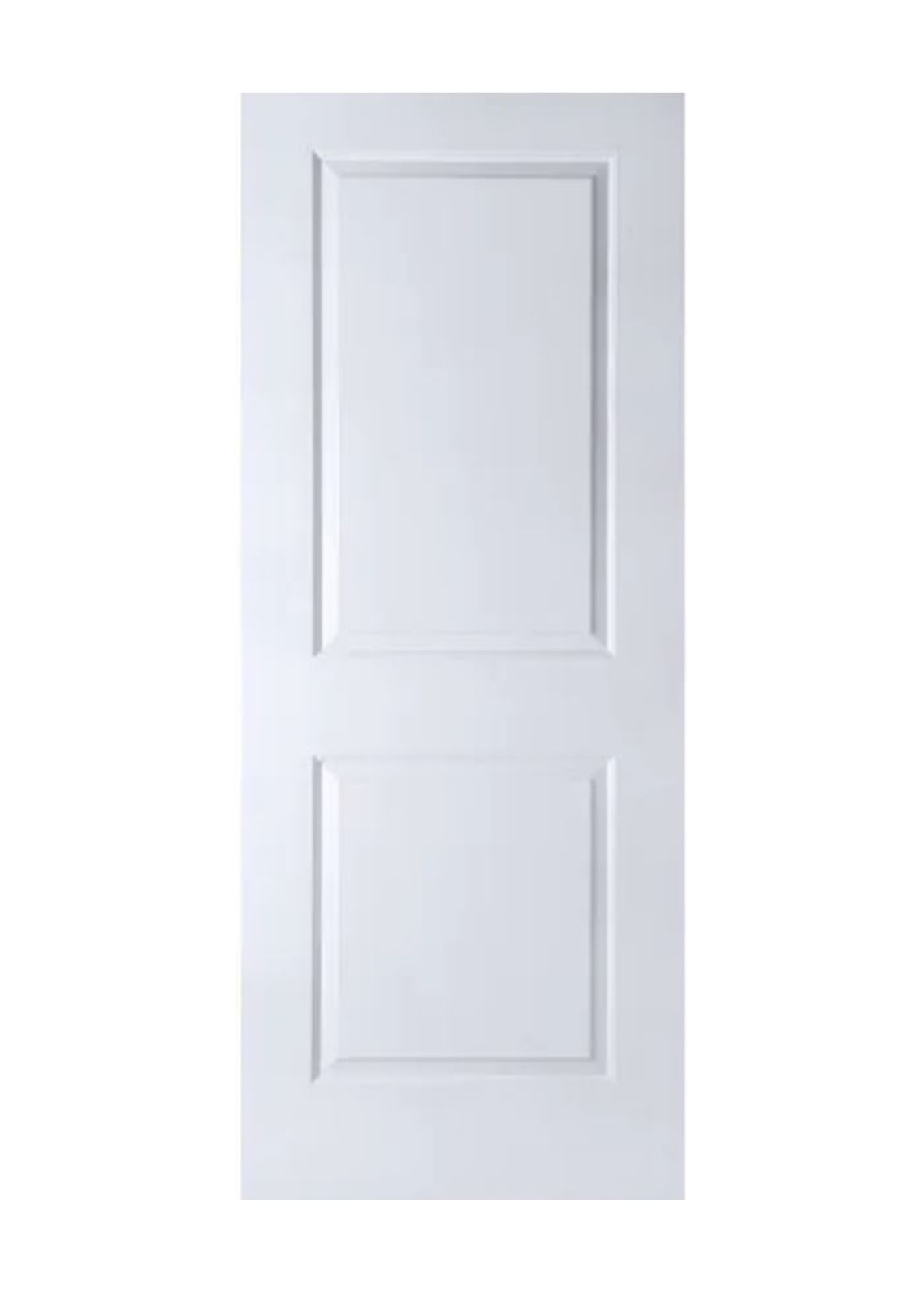
Browse the white primed internal doors range if flexibility appeals to you. It suits period homes, colour led renovations and anyone who enjoys making the final call themselves.
Why pre finished gives welcome certainty
With pre finished, what you order is what you see. There is no sample pot surprise, no sheen mismatch between doors, and no debate about whether a second coat is needed.
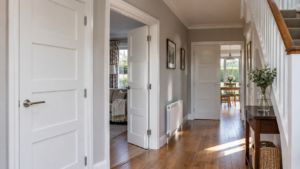
The white pre finished internal doors collection shows that clean, ready to enjoy look. It suits new builds, rentals and full house upgrades where consistency matters more than custom shades.
Light, undertone and the Irish weather factor
Irish light changes quickly, and it changes colour with it. A white that looks crisp at noon can look grey by four o clock on a wet November afternoon.
Test any shade in the room where the door will hang. Hold the sample beside your floor at morning and evening, because undertones show themselves honestly under changing natural light.
Colour decided, the next question is practical and just as important. How much time will each finish add to your project, from delivery day to final clean up?
Time on Site: Painting Days Versus Fitting Day
Time is where pre finished doors build their strongest case. Painting a full set of doors properly is not a quick job, and rushing it shows in the finish.
What painting primed doors really involves
Each primed door needs checking, light sanding where required, dust removal and careful topcoats. Edges and panel mouldings take time, especially if you want a smooth result without visible brush marks.
You should plan the sequence with your fitter and painter early. Doors painted before hanging need protection during fitting, while doors painted after hanging need masking and patience around hinges and handles.
Why pre finished shortens the whole job
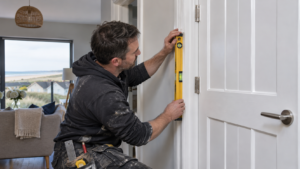
A pre finished door goes from wrapping to hanging with no painting stage between. Your fitter measures, trims where needed, fits the hardware and adjusts the door in one visit pattern.
That speed matters if you are living in the home during the work. Bedrooms return to use quickly, children and pets settle sooner, and the house feels finished rather than paused.
It also helps landlords and sellers working to a deadline. A complete, consistent finish on fitting day removes one trade, one delay and one source of mess.
Hidden time costs people forget
Primed doors can still be the faster choice in one situation. If your painter is already on site for walls and woodwork, doors can join that schedule without extra visits.
Pre finished doors carry a different hidden cost, which is decision time. You must settle design, shade and hardware before ordering, because changes after delivery are slower to resolve.
Either way, accurate measuring protects your timetable better than any finish choice. Our guide to the free door measuring service in Dublin and Leinster explains how correct sizes prevent delays.
Time matters, but a door is a long term purchase. Next, consider how each surface copes with school bags, hoovers, dogs and everyday knocks.
How Each Finish Handles Daily Life
A hallway door in a family home works hard. It gets pushed with full hands, brushed by laundry baskets and tested by muddy paws through a long Irish winter.
Marks, fingerprints and cleaning
Pre finished surfaces usually wipe clean with a soft damp cloth. Their sealed factory coating resists fingerprints well, which helps around handles in kitchens, bathrooms and busy family hallways.
Painted primed doors clean well too when a durable topcoat is used. The result depends heavily on paint quality, so a washable finish is a sensible choice for family areas.
Knocks, chips and edge wear
Edges take the hardest knocks on any door. On a painted door, a chip reveals the primer or surface below, but a careful sand, fill and repaint can restore it.
On a pre finished door, a deeper knock can be harder to hide. The factory colour and sheen must be matched closely, otherwise the repair catches light differently from every angle.
Neither weakness should frighten you away from either option. It simply means busy homes should think about repair habits now, not after the first bicycle handle meets the hallway door.
Moisture, heat and Irish homes
Bathrooms, kitchens and utility rooms test doors with steam and temperature change. Timber based doors move slightly with humidity, so good fitting gaps and sound ventilation matter for both finishes.
The SEAI highlighted home energy and ventilation guidance that is worth reading alongside any renovation. Better ventilation protects doors, paint and plaster, not just heating bills and indoor air quality.
For steamy rooms, ask about the door construction as well as the finish. A stable core, correct clearances and sealed edges will serve you better than colour choice alone.
Daily wear is only part of the ownership story, though. The next section looks further ahead, at touch ups, repainting and how each finish ages over five years.
Touch Ups, Repairs and the Five Year View
Most doors look great in month one. The better test is year five, when paint has dulled in places and life has left its honest marks.
Refreshing a painted primed door
This is where primed doors earn loyal fans. When the surface tires, you can prepare it and repaint the whole door, bringing back a clean and even finish.
Keep a note of your paint name, brand and sheen. That small record turns a future touch up from guesswork into a quick and accurate job.
Caring for a factory finish
Pre finished doors ask for gentler care. Clean them with mild products, avoid abrasive pads, and deal with small marks early before dirt settles into the damaged area.
Professionals generally advise against repainting a sound factory finish without proper preparation. Adhesion can fail if the surface is not correctly cleaned, sanded and primed for the new coating.
Sunlight and fading over time
Doors near bright glazed areas receive more sunlight than doors in inner hallways. Over years, painted and factory finishes can both shift slightly, especially in strong south facing light.
If you plan a phased upgrade, buy with the end in mind. Our complete internal doors Ireland buying guide helps you plan designs that stay consistent across stages.
Repairs and ageing lead naturally into money, because the cheapest door to buy is not always the cheapest door to live with. Let us look at cost properly.
Cost Thinking Without the Guesswork
We will not invent prices here, because door costs vary with design, size, glazing and hardware. What we can do is show you where the money goes for each option.
Where primed door costs sit
The door itself is only the first line in your budget. Add paint, brushes or spraying, painter time if you hire help, and the extra days the project stays open.
That total can still work in your favour. If you enjoy painting or already have a painter booked, the added cost may be modest and the colour freedom worth it.
Where pre finished door costs sit
A pre finished door usually carries more of its cost in the product itself. In exchange, you remove most painting labour, materials and drying delays from the project plan.
That trade suits people paying for every trade visit. One coordinated supply and fit visit can be simpler to budget than separate fitting and painting arrangements across different weeks.
The Revenue highlighted property and home improvement information that homeowners sometimes check during larger renovations. Always confirm your own tax position separately, because individual circumstances differ widely.
Value is about fit for your life
Ask yourself three simple money questions before deciding. Will I pay a painter anyway, how long can rooms stay out of use, and how likely am I to redecorate?
When you compare quotes, make sure each one covers the same ground. Measuring, supply, fitting, hardware and finishing should be listed clearly so you compare like with like.
Cost clarity helps, but room by room needs can still tip the balance. A finish that suits a bedroom may not suit a steamy bathroom or bright kitchen.
Which Rooms Suit Which Finish
Walk your home room by room before you order anything. Light, moisture, traffic and privacy change from door to door, and your finish can change with them.
Hallways and living rooms
Hallways set the tone for the whole house. Pre finished doors give that high traffic space a consistent look quickly, while primed doors let you tie the shade to stair woodwork.
Living rooms often suit a warmer, more personal choice. If you are matching a particular paint scheme, primed gives you that freedom without compromising on the door design itself.
Bedrooms and home offices
Bedrooms are lower traffic and more personal, so colour freedom often wins here. Many homeowners choose primed doors for bedrooms, then paint them with the room scheme over time.
Home offices benefit from a calm, complete finish and good sound feel. A pre finished door fitted cleanly helps the room feel professional for calls and focused work.
Remember that core construction affects sound more than surface finish. If privacy matters, discuss core and seals with your fitter rather than relying on the finish alone.
Bathrooms, kitchens and utility rooms
These rooms reward easy cleaning and moisture awareness. A sound pre finished surface can be practical here, provided the door itself is suitable and the room is ventilated.
Primed doors can also perform well with the right topcoat. Choose a paint intended for humid areas, and make sure every edge receives proper attention during painting.
The NSAI published standards information for building products that underpins quality expectations in Ireland. For fire or safety rated doors, always follow the specific product and building guidance provided.
Rooms give you clues, but style gives you joy. Once the practical room needs are settled, you can enjoy choosing designs, glazing and colours with confidence.
Style Decisions Beyond Plain White
White dominates Irish door choices for good reason, because it lifts hallways and suits most floors. Yet the primed and pre finished choice looks different once oak and grey enter the conversation.
Oak looks that come ready finished
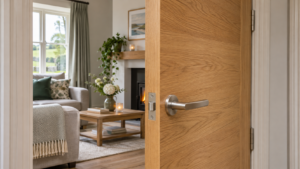
Oak effect and oak veneer doors are normally chosen for their grain. Painting over that grain would defeat the purpose, so these designs are almost always supplied ready finished.
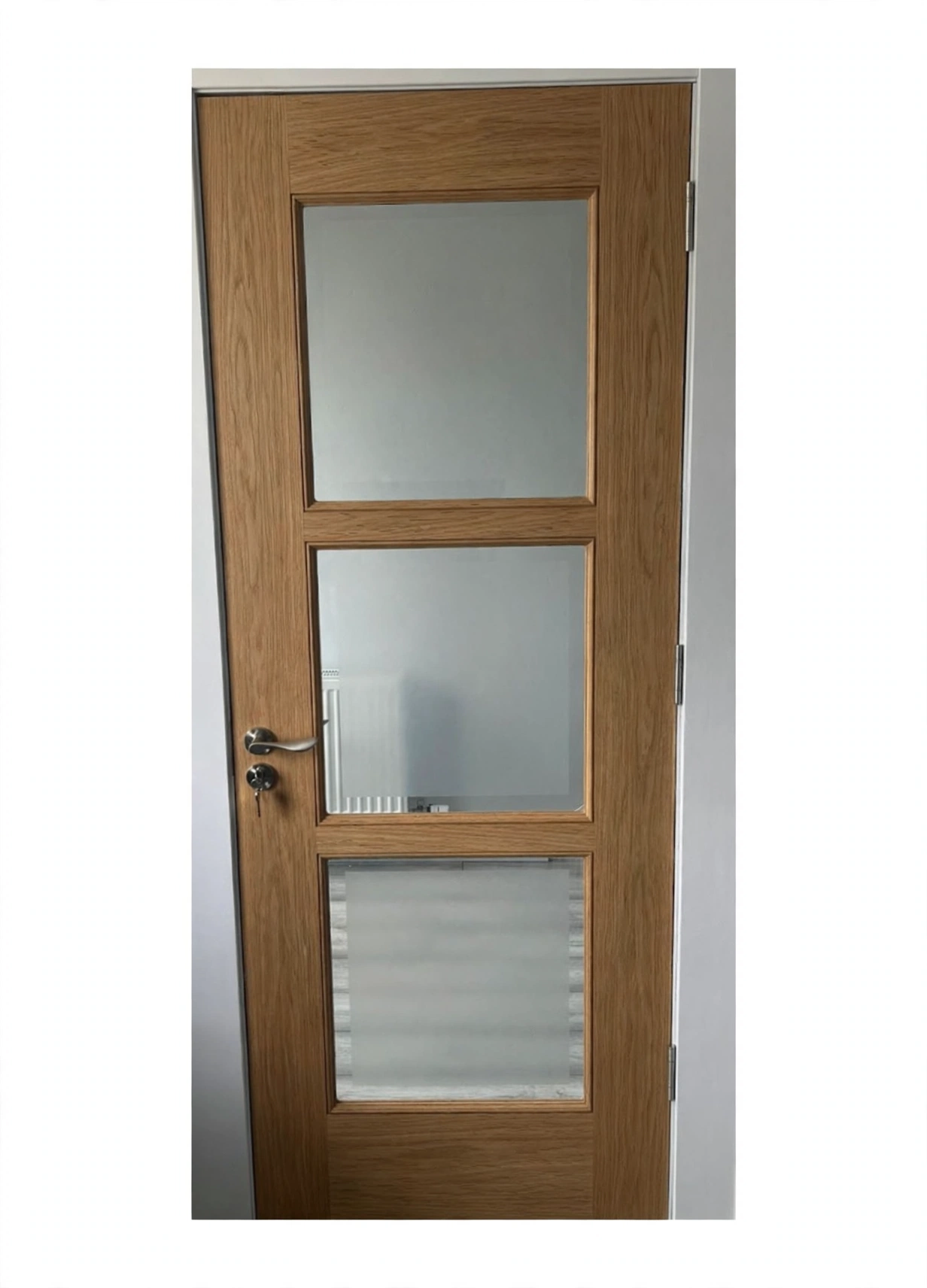
The oak pre finished internal doors range brings warmth to hallways and living rooms. It pairs well with timber floors, neutral walls and both traditional and modern Irish interiors.
White oak and softer modern tones
White oak has become a favourite in recent renovations. Professionals describe it as a middle path, offering timber character without the deeper tones of traditional oak finishes.
Explore the white oak pre finished internal doors if that softer look suits your home. It works especially well in bright kitchens, hallways and open plan living spaces.
Slate grey and confident colour
Slate grey doors make a deliberate statement. They anchor light walls, suit modern hardware and give rental or resale properties a distinctive, contemporary feel that photographs very well.
See the slate grey pre finished internal doors for that bolder direction. A factory finish keeps the deep colour even across panels, mouldings and edges.
Could you paint a primed door grey instead? Yes, and that route lets you choose your exact grey, but achieving an even deep colour takes careful coats and patience.
Panel, flush and glazed designs
Finish should support design, not fight it. Raised panels show shadows beautifully under a smooth factory finish, while shaker styles suit both painted and pre finished treatments equally well.
Browse the full internal doors collection for Irish homes before you narrow your finish choice. Seeing designs together often settles questions that words and small samples cannot.
Style is exciting, but fitting is where good choices become good doors. The next section explains how a professional process protects both finishes equally.
How Professional Measuring, Supply and Fitting Protects Your Finish
At East Coast Doors, we see the same truth every week. The finish you choose only performs as well as the measuring and fitting behind it, in every single home.
Why measuring comes before finish debates
Older Irish homes rarely have perfectly square openings. Frames settle, floors change level and previous doors may have been trimmed more than once over the years.
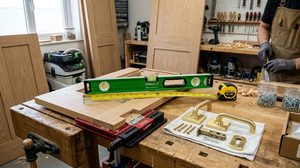
Our team measures each opening in your home before ordering. That visit checks width, height, swing, frame condition and floor clearance, so the right door arrives in the right size.
You can read how that visit works in our article on what to expect from free door measuring before you book. It is a short visit that prevents expensive mistakes.
Supply and fit by one team
When one team supplies and fits, nobody blames another trade. If a door needs careful trimming or a frame needs honest advice, the decision happens on site with you.
Our explanation of supply and fit internal doors and what is included sets out that process clearly. It covers ordering, delivery, fitting, hardware and final adjustment in order.
For pre finished doors, careful handling matters throughout fitting. For primed doors, fitting before final painting lets your painter work around the hardware and hinges neatly.
Local knowledge across Dublin, Meath and Louth
We are based in Julianstown, County Meath, and we fit across Dublin, Meath, Louth and wider Leinster. That local work brings experience of estate homes, cottages and apartments alike.
The Citizens Information explained home ownership and maintenance topics in a wider context for Irish households. Good local advice should always sit comfortably beside that general guidance.
Process matters, yet homeowners still make a few repeat mistakes when choosing a finish. Knowing those mistakes in advance will help you avoid them completely.
Mistakes Homeowners Make When Choosing
Most regrets we hear are not about the door itself. They come from small assumptions made early, which only become visible after fitting, painting or a few months of use.
Assuming primed means ready to hang and leave
This is the most common misunderstanding of all. A primed door left without a topcoat will mark easily, absorb dirt and look unfinished beside painted skirting and architrave.
Plan your topcoat before the door arrives. Decide who paints, which paint they use and when it happens, so the door is protected promptly after fitting.
Choosing colour from a tiny screen image
Phone screens flatter colours and hide undertones. A shade that looks pure white online can appear creamy, grey or even slightly blue in your hallway.
Use physical samples wherever you can. View them against your floor, your wall and your existing woodwork, in daylight and under your evening lighting at home.
Manufacturers such as Deanta explained door finish and care guidance for their ranges in detail. Reading the maker guidance for your chosen design helps you care for it correctly.
Forgetting hardware, hinges and edges
Handles change how a finish reads. Black hardware sharpens white and grey doors, while brushed metal softens oak, and gold tones warm traditional panelled designs beautifully.
Edges are part of the finish too. Ask how door edges will look and feel, especially on pre finished doors where trimming must be handled and sealed carefully.
A final check of frame condition prevents another common regret. New doors in tired frames can still stick or rattle, whatever finish you choose for them.
Avoiding mistakes is helpful, but you still need a positive way to decide. The next section gives you a short framework you can work through tonight.
A Simple Decision Framework You Can Use Tonight
Put the brochures down and answer five honest questions. Your answers will usually point clearly one way, without pressure and without needing a showroom visit first.
Question one: who will do the painting
If you or your painter will happily paint every door well, primed stays firmly on the table. If painting will be rushed, delayed or resented, pre finished deserves serious consideration.
There is no prize for choosing the harder route. The best finish is the one that will actually be completed properly in your household.
Question two: how set is your colour scheme
If your walls, floors and woodwork are already decided, factory certainty is attractive. You can order with confidence and enjoy a consistent result across the whole house.
Many staged renovations mix the two approaches thoughtfully. Main living spaces may go pre finished for speed, while bedrooms go primed for later personal colour choices.
Questions three to five: time, traffic and time ahead
Ask how quickly you need rooms back in use. Then ask how hard those rooms work daily, and how long you expect to keep the same look.
Short deadlines favour pre finished doors strongly. Heavy traffic favours the finish you can maintain confidently, and long term plans favour the finish you can refresh easily.
Write your five answers on one page. Patterns appear quickly, and a short conversation with an experienced fitter can then confirm or challenge your thinking helpfully.
When a mixed approach works best
You do not have to choose one finish for every room. Homes often combine ready finished hall doors with painted bedroom doors, provided designs and hardware stay consistent.
Keep one element constant across the mix, usually design or handle style. That constant stops the house feeling fragmented, even when finishes differ between floors or rooms.
Talk the mix through before ordering, not during fitting. A planned mix looks intentional, while an accidental mix looks like a compromise nobody chose.
With your framework answers in hand, you are ready for a clear verdict. The conclusion below pulls the whole comparison together into one practical recommendation.
Conclusion: Choose the Finish That Fits Your Life
There is no universal winner in primed vs pre finished internal doors, and any guide claiming otherwise is selling you something. There is only the right finish for your home, timetable and habits.
Choose primed when colour freedom matters most. You gain any shade you want, easier full repainting later and a finish that evolves with your decorating over the years.
Choose pre finished when time and consistency matter most. You gain a smooth factory surface, faster fitting and rooms that feel complete the day the work ends.
Either way, accurate measuring and careful fitting decide your daily satisfaction. A well fitted door closes softly, looks even and serves quietly for years without asking for attention.
So take your five answers, walk your hallway once more and make the call with confidence. Your home deserves doors you enjoy every day, so start the change today.
Frequently Asked Questions
Can you leave a primed door without painting it?
No, a primed door needs a proper topcoat to protect it. Primer alone marks easily, absorbs dirt and looks unfinished beside painted woodwork. Plan your colour and painter before fitting, so the door is finished promptly and protected.
Are pre finished doors harder to repair than painted doors?
Small marks can be touched up with a matched product, tested first on a hidden edge. Deeper chips are trickier because factory colour and sheen must match closely. Painted doors are generally easier to sand, fill and repaint fully.
Can you paint over a pre finished door later?
Yes, but preparation is essential for the new paint to stick properly. The surface needs thorough cleaning, light sanding and a suitable primer before your topcoat. Many homeowners only repaint once the factory finish has genuinely tired.
Which finish is better for a full house replacement?
Pre finished doors often suit full house projects because every door arrives consistent and fitting finishes faster. Primed doors suit staged projects where colours are decided room by room. Your timetable, painter availability and colour certainty should decide.
Do primed and pre finished doors come in the same designs?
Usually, yes, many panelled, flush and glazed designs are offered in both finishes. Oak and grey styles are normally supplied ready finished to protect their colour and grain. Always check the specific design, size and glazing options before ordering.
Those answers cover the questions we hear most often in homes like yours. If your situation is a little different, the next step is a short, practical conversation.
Book Your Free Door Measuring Visit
Still weighing up primed and pre finished doors for your home? Let us measure first and advise honestly, with no pressure to order on the spot.
East Coast Doors offers a free door measuring service across Dublin, Meath and Louth before supply and fitting by our own team. We will check every opening and talk through finishes in your own light.
Call us on 083 814 7923 to book your visit today. One call starts the measuring, supply and fitting process, and brings your new doors a step closer.