If you’re planning internal door installation, knowing what actually happens on the day helps you prepare and avoid surprises. Many homeowners underestimate how much preparation goes into a clean, professional fit.
Internal door installation in Ireland typically follows a set sequence: measuring, ordering, removing old doors, fitting new ones and finishing with hardware and adjustments. Skipping steps or rushing the process is the main cause of sticking doors and gaps later.
This guide takes you through the entire installation process step by step, so you know exactly what to expect whether you’re fitting one door or an entire house.
Why the Installation Process Matters
A rushed or poorly measured installation leads to doors that stick, gap or don’t close properly. These issues often only appear weeks after fitting, once frames settle.
Following a proper process from the start protects your investment and avoids callbacks for adjustments. Our guide on internal door supplier in Ireland explains how supply and fit companies structure this process.
Understanding each stage also helps you judge whether a quote from a fitter is realistic, which we’ll cover as we go through the steps.
Step One: Free Measuring and Assessment
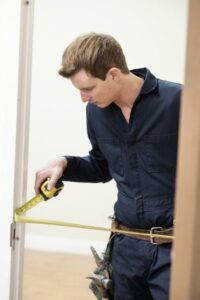
Every proper installation starts with measuring each door opening accurately, checking for square, level and any frame damage. This step alone prevents most common fitting issues.
Our free door measuring service in Ireland page explains what a professional visit should cover. If you want to measure openings yourself first, our guide on how to measure internal doors is a useful reference.
Once measurements are confirmed, the next step is choosing your door style and finish before ordering begins.
Step Two: Choosing Doors, Frames and Hardware
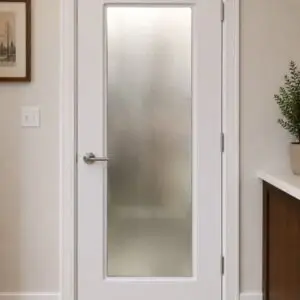
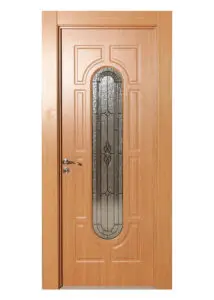
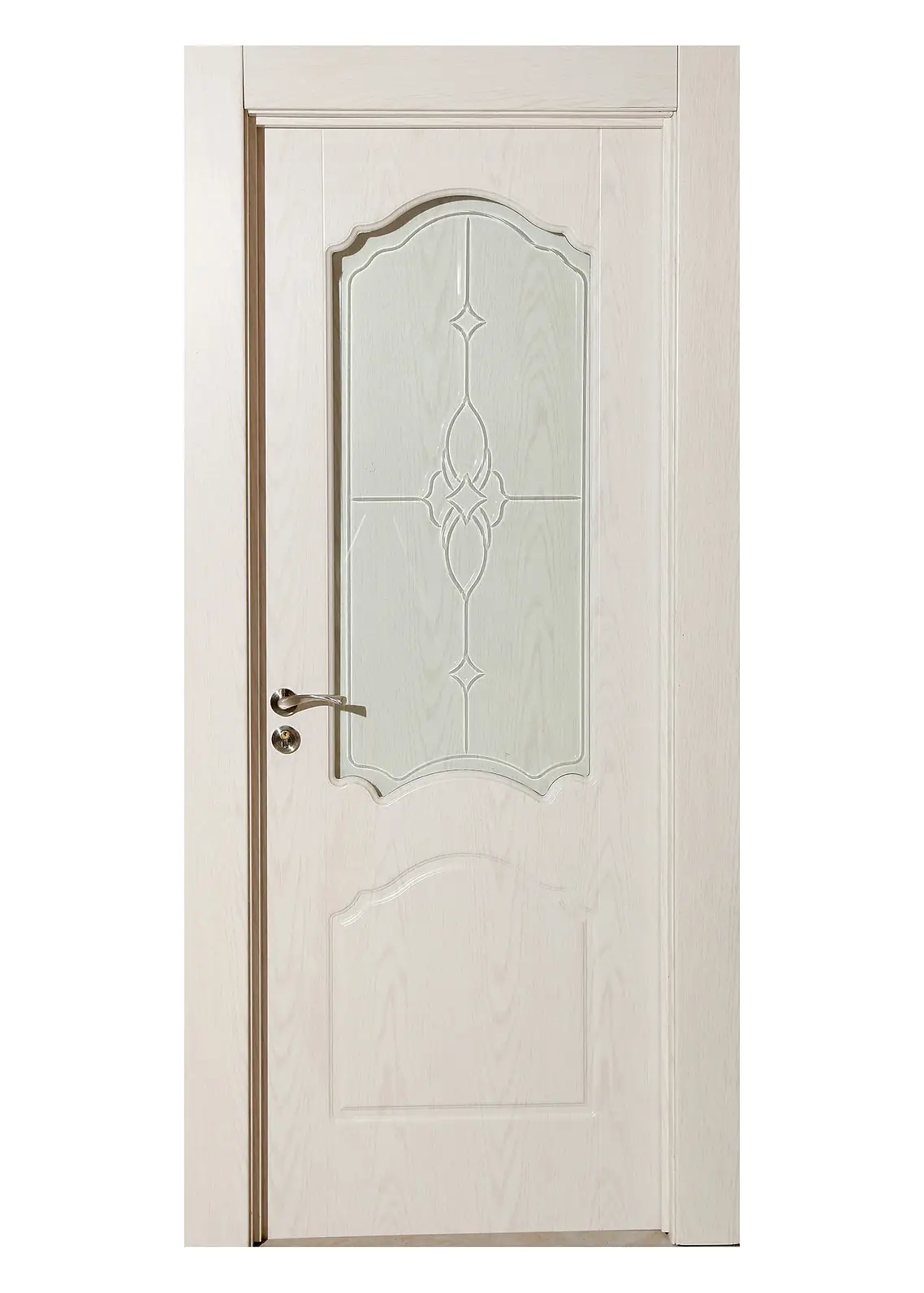
At this stage, you decide on door style, finish and glazing based on the room’s use and your overall design. Hallways often benefit from glazed doors for extra light, covered in our glazed internal doors in Ireland guide.
Frame condition is also assessed here, since damaged or warped frames usually need replacing alongside the door itself. Hardware choices like handles and hinges are finalised at this point too.
Once doors, frames and hardware are confirmed, they’re ordered and scheduled for delivery ahead of the fitting date.
Step Three: Preparing the Site
Before fitting begins, floors and nearby surfaces should be protected to avoid scuffs or damage during installation. A professional team will bring dust sheets and protective covering as standard.
Old doors are typically removed first, along with any damaged frame sections that need replacing. This clears the way for accurate fitting of the new doors.
With the site prepared, the actual hanging and fitting of doors can begin.
Step Four: Removing Old Doors and Frames
Removing old doors carefully avoids damage to surrounding walls, skirting or flooring. Where frames are being replaced, this step also involves checking the opening is still square underneath.
Any adjustments to the opening itself, such as packing out gaps or trimming high spots, happen here before the new frame goes in. This groundwork is what separates a lasting fit from one that fails within months.
Once the opening is properly prepared, the new frame and door can be hung.
Step Five: Fitting the New Door and Frame
The new frame is set into the opening first, checked for level and square, then secured firmly. The door is then hung on its hinges and checked for even gaps all around.
This is a precise stage of work, and small errors here cause the sticking or draught issues homeowners often complain about. Our guide on professional door fitters in Ireland explains what separates skilled fitters from rushed jobs.
Once the door is hanging correctly, hardware fitting and final adjustments come next.
Fitting Hardware Correctly
Handles, locks and hinges need to be fitted precisely so the door latches smoothly without excess force. Poorly fitted hardware is a common source of ongoing complaints after installation.
Fire doors require specific hardware and seals to meet safety standards, covered in our fire doors in Ireland guide. Getting hardware right the first time saves callbacks later.
With hardware fitted, the final stage of installation is testing and finishing touches.
Step Six: Final Checks and Clean-Up
A thorough fitter will open and close each door multiple times, checking for smooth operation and correct latching. Any small adjustments are made on the spot rather than left for a follow-up visit.
Clean-up should include removing all packaging, offcuts and old doors from the site. A tidy finish is one of the clearest signs of a professional team.
Once everything checks out, you’re left with doors that should perform well for years, assuming ongoing care is taken.
How Long Installation Typically Takes
For a single door, installation usually takes a few hours including removal and fitting. Full house projects generally take one to two days depending on door count and frame condition.
Our detailed timeline guide on how long it takes to fit internal doors breaks this down by project size. Planning around this timeline helps you coordinate other renovation work more smoothly.
Understanding timing also helps you budget for potential disruption if you’re living in the home during fitting.
Common Installation Mistakes to Avoid
One of the most frequent mistakes is skipping professional measuring to save money, which often costs more in rework later. Another is choosing doors before checking frame condition, leading to mismatched fits.
Rushed fitting to save time on labour costs is another common issue, often resulting in uneven gaps or sticking doors. Our comparison of door supplier vs carpenter explains why specialist experience matters for this kind of work.
Avoiding these mistakes from the outset saves both time and money across the life of the project.
New Build and Renovation Considerations
New builds often require coordinating door installation around plastering, flooring and painting schedules. Timing this correctly avoids damage to freshly fitted doors.
Our guide on new build internal doors in Ireland covers how to sequence this properly with your builder. Renovation projects have their own scheduling challenges, covered in our renovation internal doors guide.
Getting this sequencing right protects your finished doors from unnecessary wear during the rest of the build.
Why Choose East Coast Doors for Installation
East Coast Doors has completed over 50,000 door installations across Ireland, with fitting carried out by our own trained team rather than subcontractors. This means consistent quality from measure to final clean-up.
We cover Julianstown, Laytown, Drogheda, Navan, Ashbourne and the wider East Coast region. You can view our full process and book a free measure through our contact page.
Working with a team that controls every stage of installation gives you confidence the job will be done right the first time.
Final Thoughts
Internal door installation involves more precision than most homeowners expect, from measuring through to final hardware fitting. Following the right process protects your investment and avoids common issues like sticking or gaps.
Whether you’re planning one door or a full house, understanding each step helps you choose the right team for the job. Contact East Coast Doors today to book your free measuring visit and get your installation started properly.
FAQ
How long does internal door installation take per door?
A single door installation typically takes two to three hours including removal, fitting and hardware. Full house projects usually take one to two days.
Do I need to replace the frame when installing a new door?
Not always. Frames only need replacing if they’re damaged, warped or the wrong size for your new door.
Can doors be installed while I’m living in the house?
Yes, most installations are completed with minimal disruption, though dust sheets and some noise should be expected during fitting.
What’s the biggest cause of installation problems?
Inaccurate measuring is the most common cause of sticking doors, gaps and delays, which is why a free professional measure is recommended.
Should I paint doors before or after installation?
Pre-finished doors arrive ready to hang, while primed doors are typically painted after fitting to match final wall colours.
Ready for a smooth, professional door installation? Contact East Coast Doors today to book your free measuring visit across Meath, Louth and North Dublin.