
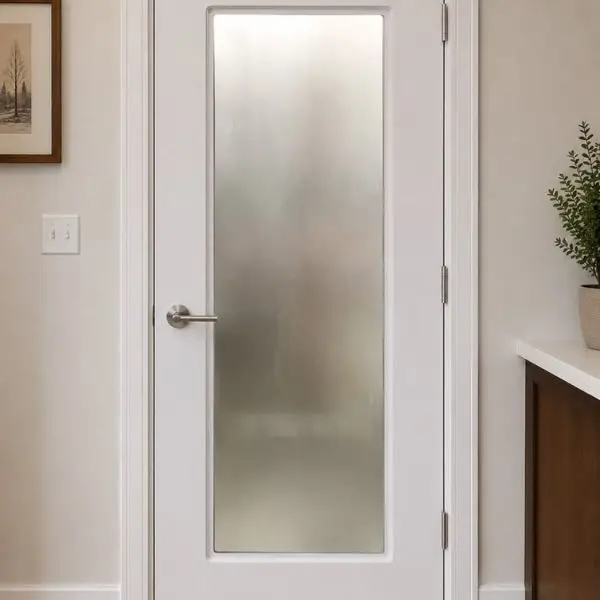
Dark hallways and boxed-in rooms are two of the most common complaints in Irish homes. Glazed internal doors solve both without knocking a single wall.
The right door lets daylight travel from room to room while still giving you a proper boundary. The wrong glass, though, can leave you with a fishbowl or a door that fails a safety check.
This guide covers glazed internal doors Dublin buyers ask about most: styles, glass finishes, safety rules, sizing and fitting. By the end, you will know exactly what to specify.
What Glazed Internal Doors Do for an Irish Home
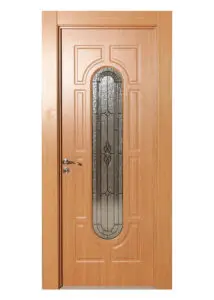
A glazed door is any interior door with one or more glass panels set into the timber. The glass can be clear, patterned, frosted or divided by bars.
Homes across Leinster vary a lot in layout. Some have deep terraced hallways, others have open-plan extensions with one awkward internal corridor.
Sharing Natural Light
Irish daylight is soft and often short-lived, especially between October and March. Glass panels carry that light into places where a solid door would trap shadow.
Professionals in the trade often start with the hallway and stairwell. Those two spaces gain the most from borrowed light.
Making Rooms Feel Larger
A view through glass tricks the eye into reading a space as bigger. A narrow hall with glazed doors at each end feels less like a tunnel.
This is why glazed pairs are popular between kitchens and dining rooms. The rooms stay separate, yet they feel connected.
Where Glazed Doors May Not Suit
Glass is not the answer everywhere. Bedrooms, bathrooms and home offices with confidential calls usually need more privacy or sound control.
That does not rule glass out completely. Frosted and reeded options soften the view, which we cover below.
Now that you know what glazing achieves, let us look at the door styles available.
Glazed Internal Doors Dublin: Main Styles Compared
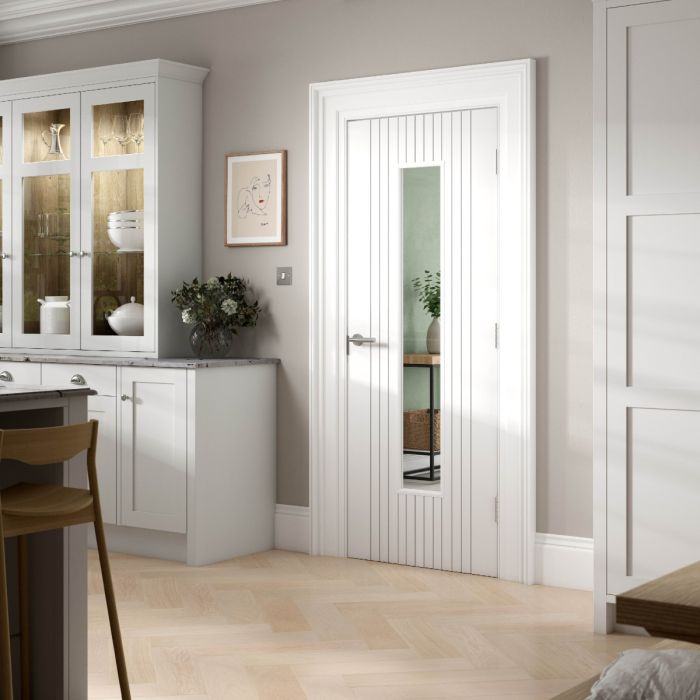
Style shapes how much glass you get and how the door reads in the room. Most Irish homes end up choosing from five core layouts.
Single Panel and Full Glass Doors
A single large pane gives the cleanest, most modern look. Light passes through almost unrestricted.
These suit contemporary interiors. You can see more of the modern direction in our guide to modern internal doors in Dublin.
Half Glazed and Top Glazed Doors
Here the glass sits in the upper portion and timber fills the lower part. You keep light and hide clutter at floor level.
This layout works well between a kitchen and hallway. Kicks, bags and bins stay out of view.
Multi Pane and Georgian Bar Styles
Small panes separated by glazing bars give a classic look. They suit period homes, farmhouse conversions and traditional Irish semis.
The bars also break up reflections and add visual detail. Many buyers pair them with a painted finish.
Shaker Glazed Doors
Shaker profiles use clean rails and stiles. A glazed version keeps that simplicity and adds light.
If you like this look, our page on Shaker doors in dublin explains why the profile is so widely chosen.
Double and French Style Internal Doors
Pairs of glazed doors open a wide entrance between a living room and dining room. They can stay open for gatherings and closed for winter warmth.
Measure carefully for these. Two leaves have to meet evenly, and uneven floors expose any error.
With the styles clear, the next decision is the glass itself.
Glass Options: Clear, Frosted, Reeded and Beyond
Glass type controls privacy, brightness and mood. Two doors with the same frame can feel completely different depending on the pane.
Clear Glass
Clear glass gives maximum light and full visibility. It is ideal for hallways, living areas and connecting doors between open spaces.
Keep in mind you will see everything behind it. A tidy utility room glimpsed through clear glass can undo the effect.
Frosted and Obscure Glass
Frosted glass diffuses the view. You see shapes and colour, but no detail.
This is a practical choice for bathrooms and en suites. It also suits home offices where you want light without an audience.
Reeded and Fluted Glass
Vertical ridges bend the view into soft, rhythmic lines. The trend has grown in Irish interiors because it feels designed rather than functional.
Reeded glass offers privacy that varies with distance. Stand back and it looks textured, stand close and it blurs.
Georgian Bar and Leaded Effects
Applied or integral bars create a traditional grid. They add character and suit heritage or cottage styles.
Choose the bar width carefully. Thin bars feel refined, while thick bars can look heavy on a small door.
Black Frame Steel Look Styles
Slim dark bars around clear glass mimic industrial steel windows. They pair well with grey and white finishes.
You can explore complementary colours in our guides to slate grey internal doors and white internal doors.
Glass choice also connects to safety, and that is where regulations enter the picture.
Safety Glazing and Building Regulations
Glass in a door is a potential impact point. People run through halls, children push doors, and pets bump panels.
Safety glazing is designed to reduce the risk of serious injury if the glass breaks. It typically means toughened or laminated glass.
What Irish Guidance Says
Guidance on glazing in critical locations, including doors, sits within the Irish Building Regulations framework. Pilkington explains that requirements combine regulations and British Standards, including BS 6262 Part 4.
The exact technical document referenced varies between sources. Saint-Gobain Glass outlined the relevant Irish section as Technical Guidance Document D, so it is worth checking the current edition with your supplier.
What This Means When You Buy
Reputable suppliers specify safety glass as standard on glazed door ranges. You should still ask for confirmation in writing.
If a door is bought from an unclear source, request the glass specification before ordering. It costs nothing to ask.
Fire Rated Glazed Doors
Some doors must resist fire for a set time, and their glazing must do the same. Ordinary glass will not meet that requirement.
Fire door glazing uses special glass and intumescent seals. Fire safety guidance is set out in Technical Guidance Document B, and a 2024 update was presented by the Building Standards Advisory Unit for buildings other than dwellings.
For homeowners, our overview of fire doors in Dublin and the page on fire door regulations explain what applies to your property.
Safety sorted, let us look at the timber that frames the glass.
Finishes and Timber Choices
The frame does as much for the look as the glass. Colour, grain and sheen decide whether a door blends in or becomes a feature.
Oak Glazed Doors
Oak gives warmth and depth, especially against pale walls. It suits both traditional and modern rooms when the glass is kept simple.
Compare options in our oak internal doors guide. Many buyers also weigh pre-finished oak doors to save time on site.
White and Painted Finishes
White frames keep the focus on light. They are a safe choice for rooms with mixed furniture styles.
If you are stuck between finishes, our comparison of oak vs white internal doors lays out the trade-offs clearly.
Grey and Darker Tones
Grey and deep tones create contrast with clear or reeded glass. They look sharp in open-plan homes and newer builds.
Use them consistently. Mixing several colours across one floor can look accidental.
Finishes chosen, the next question is where each door should go.
Room by Room Guide to Glazed Doors
Each space in your home has different needs. Matching glass to function avoids most regrets.
Hallways and Landings
Clear or lightly patterned glass works best here. It lets light reach the centre of the house.
If the hall is your main circulation route, consider glazing on both ends. That creates a bright line of sight.
Kitchens and Dining Rooms
Half glazed or full glass doors suit these rooms. They keep cooking noise and smells partly contained while preserving light.
Fluted glass is a popular compromise here. It hides mess without darkening the space.
Living Rooms and Snugs
Double glazed style pairs create an elegant entrance. Georgian bars and painted timber look natural in this setting.
For a cosy snug, choose a smaller pane and a darker finish.
Home Offices
Video calls and confidentiality matter. Frosted or reeded glass gives light without visual distraction.
Pair the door with good seals and a solid core if noise is an issue.
Bathrooms and En Suites
Obscure glass is the standard choice. Check that the level of frosting hides silhouettes as well as detail.
Ask to see a sample in daylight, since some patterns reveal more than expected.
Sound and warmth are separate concerns, so let us cover them next.
Privacy, Sound and Warmth: The Trade-Offs
Glass improves light but changes how a door performs. Understanding the compromise helps you decide where to put glazing.
Sound Transmission
Solid doors typically block more sound than glazed ones. Glass is thinner than a solid timber core, so noise passes more easily.
If sound matters, keep glazing to a smaller panel or use solid doors for bedrooms.
Heat Retention
Internal doors do not insulate like external ones, but they still influence how rooms hold heat. A glazed door between a hall and living room may let warm air drift.
Well fitted doors with even gaps reduce this. Check the fit on our page about internal door installation in Dublin.
Privacy Levels
Clear glass offers none, frosted offers a lot, and reeded sits in between. Think about who uses the room and when.
For a deeper comparison, read glass vs solid internal doors.
Once you know what you want, accurate sizing is the next step.
Sizes and Measuring for Glazed Doors
A glazed door that does not fit is more noticeable than a solid one. Uneven gaps show up against the light.
Standard Sizes in Irish Homes
Most homes use a small number of common door sizes, though older houses often break the rule. Confirm your existing opening before you order.
Our page on standard internal door sizes in Dublin lists what to expect.
Measuring Yourself
Measure width at the top, middle and bottom of the opening. Do the same for height on both sides.
Note floor finishes. A new carpet or tile can change the clearance under the door.
Using a Free Measuring Service
Professional measure visits catch problems you may miss. Uneven walls, out of square frames and thresholds are typical examples.
East Coast Doors offers a free door measuring service in Dublin so you order with confidence.
With the measurements confirmed, let us cover fitting.
Fitting Glazed Internal Doors
Glazed doors need a careful hand. The glass adds weight and leaves little room for error.
Why Professional Fitting Helps
Hinge placement, latch alignment and even gaps affect both looks and lifespan. A door that binds can stress the glass.
Many buyers choose supply and fit for this reason. Our guide to supply and fit internal doors explains the process.
What to Budget For
Cost depends on door style, glass type, number of doors and site conditions. Supply only and supply and fit are priced differently.
The internal door fitting cost guide helps you plan realistically.
How Long It Takes
Timing varies with the number of doors and the state of the frames. Most single rooms are straightforward, while whole house jobs take longer.
See our guide on how long it takes to fit internal doors for a clearer picture.
Once fitted, your doors need looking after.
Care and Maintenance
Glass shows fingerprints, and timber needs gentle care. A short routine keeps doors looking new.
Cleaning the Glass
Use a soft cloth and a mild glass cleaner. Avoid spraying directly onto the frame edges.
Textured glass may hold dust in its ridges. A soft brush helps.
Caring for the Timber
Wipe painted frames with a slightly damp cloth. Avoid abrasive pads that dull the finish.
For hinges and handles, our internal door maintenance guide has practical routines.
Watching for Wear
Check hinges and seals every few months. Early adjustments prevent bigger issues.
Now let us look at the mistakes we see most often.
Common Mistakes When Buying Glazed Doors
Most problems come from rushed decisions. A little planning avoids expensive fixes.
Choosing Clear Glass for Private Rooms
This is the classic error. Buyers love the brightness, then realise the bathroom or office is exposed.
Ask for a sample and hold it in the actual doorway.
Ignoring Consistency
Mixing glass patterns and frame colours across one floor can look chaotic. Pick one glass family and repeat it.
Variation in size is fine. Variation in style is where things drift.
Skipping the Measure
Ordering from guessed dimensions leads to trimming, gaps or returns. A proper measure protects the investment.
Overlooking Fire Requirements
Some doors in some settings must be fire rated. Check before you buy, not after fitting.
Finally, choosing the right partner matters.
Why Choose East Coast Doors Dublin
Choosing where to buy is as important as choosing the door. You want clear advice, accurate measuring and tidy fitting.
East Coast Doors supplies and fits internal doors across the east of the country. You can read more about us and see how we work.
We also help with wider projects. Our page on full house door packages suits new builds and renovations where consistency matters.
If you are comparing suppliers, the guide to buying internal doors in Dublin shows what to look for.
Conclusion
Glazed internal doors Dublin homeowners choose today deliver light, openness and style without major building work. The key is matching glass, finish and function to each room.
Choose clear glass for connecting spaces, obscure or reeded glass where privacy matters, and safety glazing everywhere. Confirm sizes with a professional measure.
Your home can feel brighter and more spacious with just a few well chosen doors. Start with one room, get it right, and let the light lead the rest.
FAQ
Are glazed internal doors safe for family homes?
Yes, when they use safety glazing such as toughened or laminated glass. Ask your supplier to confirm the glass specification in writing before you order, especially for hallways and rooms children use.
Which glass is best for privacy?
Frosted or obscure glass offers the highest privacy, and reeded glass provides a softer, partial screen. Clear glass gives none. Bathrooms and offices usually need frosted or heavily reeded panels.
Do glazed internal doors reduce sound?
They typically block less sound than solid doors because glass is thinner than a timber core. For bedrooms or offices, consider a smaller pane or a solid door for better acoustic performance.
Can I have fire rated glazed doors at home?
Yes, fire rated glazed doors exist and use specialist glass and seals. Whether you need them depends on your property and layout, so check requirements before purchasing or fitting.
Should I measure glazed doors myself?
You can, but a professional measure reduces risk. Uneven walls and floors show clearly against glass. East Coast Doors offers a free measuring service so you can order with confidence.
Which finish suits glazed doors best?
White suits bright, minimal homes, oak adds warmth, and grey works in modern interiors. Choose one finish per floor for a consistent look, and view samples in your own lighting.
Not sure which glass will suit your hallway, kitchen or office?
Book a free measure with East Coast Doors and we will bring samples to your door. Visit our contact page and tell us what you have in mind. We will help you choose the style, the glass and the fit, so the finished doors look the way you pictured them.

2 thoughts on “Glazed Internal Doors Dublin: Styles & Glass Options”
Pingback: White Internal Doors Dublin: The Complete Style Guide
Pingback: White Oak Internal Doors: A Modern Classic for Irish Homes
Comments are closed.