If you’re renovating or building in Ireland, you’ve probably seen the term internal door supplier and wondered what it actually means. It sounds simple, but the reality of how doors get from a warehouse to your hallway involves more steps than most homeowners expect.
An internal door supplier is a company that sources, sells and often fits internal doors, frames and hardware for homes and businesses. Some suppliers only sell doors. Others, like East Coast Doors, manage the entire process from measuring to final fit. Knowing the difference protects you from delays, mismatched sizes and unexpected costs.
This guide breaks down exactly what an internal door supplier does, how supply and fit works in Ireland, and how to choose the right one for your project.
What Does an Internal Door Supplier Actually Do
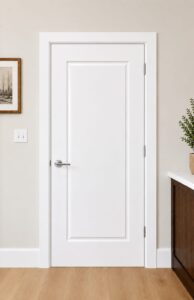
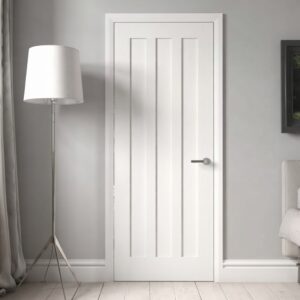
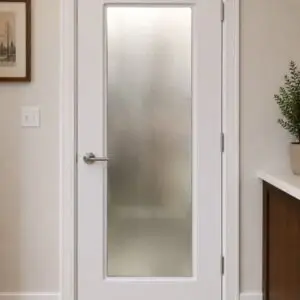
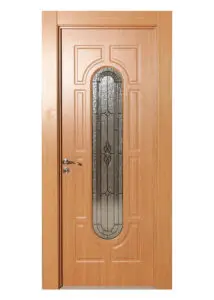
An internal door supplier’s core job is sourcing quality doors that match your home’s style, budget and building requirements. This includes panel doors, glazed doors, fire doors and pre-finished oak options.
Beyond selling doors, many suppliers also handle measuring, frame supply, hardware and installation. This is where the term “supply and fit” comes from, and it’s explained fully in our guide to how supply and fit internal doors work in Ireland.
A supplier who only sells doors leaves you to source a separate fitter, which can create timing gaps and finish mismatches. Understanding this distinction helps you plan your renovation more accurately, which we’ll cover next.
Supply-Only vs Supply and Fit Suppliers
Supply-only suppliers sell you the doors and leave the fitting to you or your own tradesperson. This route can suit experienced DIYers or builders with an in-house carpenter already on site.
Supply and fit suppliers manage everything from free measuring through to hanging the doors, fitting hardware and cleaning up afterward. For most homeowners, this route reduces stress considerably.
If you’re weighing up which approach suits your project, our detailed comparison of supply-only vs supply and fit door services walks through the cost and time trade-offs. Choosing the right model up front avoids costly rework later, which brings us to why local expertise matters.
Why Local Expertise Matters When Choosing a Supplier
Irish homes have their own quirks. Older properties in Meath, Louth and Dublin often have non-standard door openings, uneven frames or settling issues that a generic supplier might not anticipate.
A supplier based locally, with fitters who’ve worked across your area, understands these quirks before they become problems on site. That local knowledge also means faster response times for repairs or adjustments.
Our team has fitted doors across Julianstown, Laytown, Drogheda and the wider East Coast for over three decades combined, and you can see the areas we serve on our internal door supplier in Meath page. Local presence naturally leads into the next consideration: certification and stockist credibility.
What Certified Door Stockist Actually Means
Not every supplier carries certified products. A certified stockist has been vetted by manufacturers to sell doors that meet stated fire ratings, acoustic performance and structural standards.
This matters most with fire doors, where certification isn’t optional if the door needs to meet building regulations. Our breakdown of what a certified door stockist means explains why this detail protects you legally and financially.
Choosing a certified supplier gives you documentation you can rely on if building control ever asks for it. With certification covered, it’s worth understanding how the supply and fit process actually unfolds day to day.
How the Supply and Fit Process Works Step by Step
The process typically starts with a free home visit where a specialist measures every opening accurately. Skipping this step is the single biggest cause of delays and returns in door projects.
Next comes door selection, where you choose finish, style and glazing options based on your budget and the room’s function. Our guide on how to measure internal doors before you buy is a useful reference even if a supplier measures for you.
Once doors and frames are confirmed, fitting is scheduled, usually completed within a day for most homes. This leads naturally into what a full house project actually looks like from start to finish.
What Happens During the Fitting Day
Fitters typically remove old doors first, check frame condition, then hang and adjust each new door for a clean, level fit. Hardware like hinges, handles and locks gets fitted at this stage too.
A tidy team will protect flooring, dispose of old doors responsibly and leave the site clean. This attention to detail is part of what separates a professional service, covered further in our piece on professional door fitters in Ireland.
Once fitting is complete, most suppliers offer a walkthrough to check every door opens, closes and latches properly. From here, it helps to understand pricing so you can budget with confidence.
How Much Supply and Fit Typically Costs
Costs vary depending on door style, glazing, frame condition and how many doors you’re replacing. A single door replacement costs less per unit than a full house package, since site setup is spread across more doors.
For a detailed breakdown by door count and style, our internal door fitting cost in Ireland guide gives realistic 2026 price ranges. Budgeting accurately from the start avoids surprises mid-project.
Full house packages are often more cost-effective per door, and our guide on full house door packages in Ireland explains why. With costs understood, the next question most homeowners ask is how to actually pick the right supplier.
How to Choose the Right Internal Door Supplier
Start by checking how long the company has operated and how many doors they’ve fitted. Experience reduces the chance of measuring errors and finishing mismatches on site.
Ask whether the supplier offers a free measuring visit, since this single step prevents most common installation problems. Our free door measuring service in Ireland page explains exactly what this visit should include.
Also check reviews and completed project photos where possible, since these show real workmanship rather than marketing claims. Choosing carefully here sets up the rest of your renovation for success.
Questions Worth Asking Before You Commit
Ask whether fitting is done by employed staff or subcontractors, since this affects accountability if something goes wrong. Ask about warranty terms on both doors and workmanship too.
Confirm whether the price includes frames, architrave and hardware, or whether these are quoted separately. Hidden extras are a common source of budget overruns in door projects.
Finally, ask for a realistic timeline so you can plan around other trades if you’re mid-renovation. With the right questions answered, you’re in a strong position to move forward confidently.
Why Choose East Coast Doors for Supply and Fit
At East Coast Doors, we’ve fitted over 50,000 doors across Ireland with a family-run team built on more than three decades of combined experience. We manage measuring, supply and fitting ourselves, so nothing falls between separate contractors.
Our showroom in Co. Meath is open by appointment, letting you see door finishes in person before committing. You can also browse our range of internal doors for sale in Ireland to get a feel for current styles and pricing.
Choosing a supplier who controls the whole process, from first measure to final clean-up, is genuinely the simplest way to avoid the common pitfalls covered above.
Final Thoughts
Understanding what an internal door supplier does, and how supply and fit works, puts you in control of your renovation budget and timeline. The right internal door supplier turns a stressful job into a straightforward one.
Whether you’re replacing one door or an entire house, getting expert advice early makes all the difference. Reach out through our contact page for a free, no-obligation quote today.
FAQ
What’s the difference between a door supplier and a door fitter?
A door supplier sources and sells doors, while a fitter installs them. Many companies, including East Coast Doors, do both under one supply and fit service for convenience and accountability.
Is it cheaper to buy doors and fit them myself?
Supply-only can look cheaper upfront but often costs more once tools, frame issues and time are factored in. Supply and fit packages typically offer better value for full house projects.
Do I need a certified stockist for fire doors?
Yes, fire doors need documented certification to meet building regulations, especially in shared or rental properties. A certified stockist provides this paperwork as standard.
How long does supply and fit take for a full house?
Most full house projects are completed within one to two days once doors arrive, assuming accurate measuring was done beforehand.
Do suppliers cover all of Ireland? Coverage varies by company. East Coast Doors services Meath, Louth and North Dublin, with specific areas listed on our service pages.
Ready to upgrade your doors the easy way? Contact East Coast Doors today for a free measure and a no-obligation quote across Meath, Louth and North Dublin.